
Termite Inspections Explained: Protecting Your Investment from Costly Damage
Purchasing or owning a property is one of the most significant financial investments most people will ever make. Whether it is a family home, rental property, or commercial building, protecting that investment requires regular maintenance and early detection of potential problems. One of the most serious yet often overlooked threats to a property is termite damage.
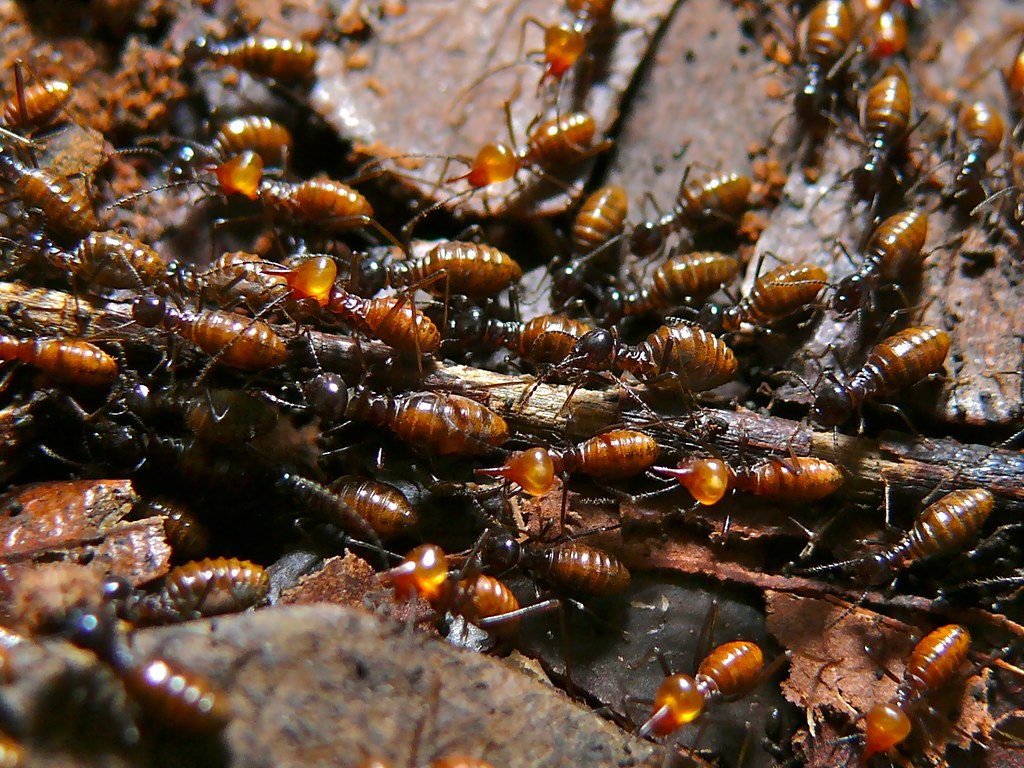
Termites are small insects, but they can cause extensive structural damage when left undetected. Because termites often work silently behind walls, beneath floors, and inside wooden structures, infestations may continue for months or even years before visible signs appear. By the time the damage becomes noticeable, repairs can already be expensive and complicated.
This is why termite inspections are such an important part of property ownership and real estate transactions. Professional termite inspections help identify current infestations, evidence of previous activity, and conditions that may attract termites in the future. Understanding how termite inspections work and why they matter can help homeowners and buyers protect their properties from costly long-term damage.
Why Termites Are a Serious Threat
Termites feed primarily on cellulose, a material found in wood and many plant-based products. Because homes and buildings contain wooden framing, flooring, trim, support beams, and other structural components, termites can weaken critical parts of a structure over time.
Unlike storms or sudden accidents, termite damage develops gradually. This makes infestations especially dangerous because they often remain hidden until the structural damage becomes severe.
Every year, termites are responsible for billions of dollars in property damage across the United States. In many cases, standard homeowners insurance policies do not cover termite-related repairs because infestations are considered preventable maintenance issues.
Without regular inspections, property owners may not realize termites are present until:
- Floors become weak or uneven
- Walls begin to crack
- Doors stop closing properly
- Wood sounds hollow
- Visible structural damage appears
At that stage, repair costs can become substantial.
What Is a Termite Inspection?
A termite inspection is a professional evaluation of a property to identify evidence of termites, termite damage, or conditions that increase the likelihood of infestation.
During the inspection, trained professionals examine accessible areas of the property for signs of:
- Active termite colonies
- Mud tubes
- Wood damage
- Swarming activity
- Moisture issues
- Structural vulnerabilities
The goal of the inspection is not only to detect existing termites but also to identify conditions that may attract them in the future.
Termite inspections are commonly performed:
- Before purchasing a home
- During routine property maintenance
- Before selling a property
- After signs of infestation appear
- As part of annual preventive care
Types of Termites Commonly Found
Different regions may experience different termite species, but subterranean termites are among the most common and destructive in many parts of the country.
Subterranean Termites
Subterranean termites live underground and build mud tubes to travel between the soil and wooden structures. Because they require moisture to survive, they are often found near foundations, crawl spaces, and damp environments.
These termites can cause extensive structural damage if left untreated.
Drywood Termites
Drywood termites infest dry wood directly and do not require contact with soil. They are commonly found inside walls, furniture, and wooden framing.
Unlike subterranean termites, drywood termites may remain hidden inside wood for long periods.
Dampwood Termites
Dampwood termites are attracted to moist or decaying wood. While less common in some regions, they can still cause problems in areas with excessive moisture or water damage.
Understanding the type of termite involved helps determine the most effective treatment and prevention strategies.
What Inspectors Look for During a Termite Inspection
Professional termite inspectors are trained to identify both active infestations and warning signs that may indicate future risks.
Mud Tubes
Subterranean termites create pencil-sized mud tubes to travel safely between their colony and food sources. These tubes are often found along foundations, crawl spaces, walls, and support beams.
Mud tubes protect termites from exposure to air and predators while maintaining necessary moisture levels.
Damaged Wood
Inspectors examine wooden structures for signs of termite feeding. Damaged wood may appear hollow, blistered, soft, or weakened.
In some cases, tapping on the wood produces a hollow sound because termites have consumed the interior while leaving the outer surface intact.
Swarmers and Discarded Wings
Termite swarmers are winged reproductive termites that leave the colony to establish new colonies. Swarming activity often occurs seasonally and may indicate a nearby infestation.
Inspectors look for:
- Live swarmers
- Dead insects
- Discarded wings near windows, doors, or light sources
Moisture Problems
Because termites are attracted to moisture, inspectors also identify areas where water intrusion or poor drainage may increase infestation risks.
Common moisture-related concerns include:
- Plumbing leaks
- Standing water
- Poor ventilation
- Damp crawl spaces
- Roof leaks
Structural Vulnerabilities
Certain construction conditions make properties more vulnerable to termites.
Inspectors may note:
- Wood-to-soil contact
- Cracked foundations
- Unsealed entry points
- Poor drainage
- Untreated wood exposure
Identifying these conditions allows property owners to reduce future risks.
Areas Commonly Inspected
Termite inspections typically focus on accessible areas where infestations are most likely to occur.
These areas may include:
- Foundations
- Crawl spaces
- Basements
- Attics
- Garages
- Wooden decks
- Door and window frames
- Support beams
- Exterior siding
- Landscaping near the structure
Inspectors often use specialized tools such as moisture meters, flashlights, and probing devices to evaluate hidden areas more effectively.
Why Termite Inspections Matter During Real Estate Transactions
Termite inspections are especially important during home purchases. Buyers want assurance that the property does not contain hidden structural damage that could lead to expensive repairs later.
In many real estate transactions, lenders or buyers may request a termite inspection before closing.
A termite inspection helps:
- Identify active infestations
- Reveal previous termite damage
- Determine if treatment is needed
- Reduce financial surprises after purchase
Sellers may also choose to schedule inspections proactively to address issues before listing the property.
Because termite damage is often hidden, a standard home inspection may not fully evaluate termite-related concerns without a dedicated termite inspection.
Signs Property Owners Should Watch For
Even between professional inspections, property owners should remain aware of potential warning signs.
Common signs of termite activity include:
- Mud tubes near foundations
- Hollow-sounding wood
- Bubbling paint
- Tight-fitting doors or windows
- Small holes in drywall
- Swarming insects indoors
- Piles of discarded wings
- Sagging floors
If any of these signs appear, professional evaluation should be scheduled promptly.
The Cost of Ignoring Termite Problems
One reason termite inspections are so important is because untreated infestations can become extremely expensive over time.
Termites can weaken:
- Structural framing
- Floor joists
- Roof supports
- Wooden beams
- Subflooring
- Decks and porches
Repair costs often increase significantly when damage spreads undetected. In severe cases, entire sections of a structure may require reconstruction.
Beyond financial costs, termite damage can also create safety concerns if structural integrity becomes compromised.
Preventing Termite Infestations
While inspections are essential, preventive maintenance also plays a major role in reducing termite risks.
Eliminate Excess Moisture
Termites thrive in damp environments. Fixing leaks, improving drainage, and maintaining proper ventilation help reduce moisture buildup.
Avoid Wood-to-Soil Contact
Wooden structures should not directly touch soil whenever possible. Deck posts, siding, and framing should be properly elevated and protected.
Store Firewood Away from the Home
Firewood and wood debris can attract termites if stored too close to the structure.
Seal Entry Points
Cracks in foundations and gaps around utility lines may provide entry points for termites.
Schedule Regular Inspections
Routine professional inspections help detect problems early before major damage occurs.
Professional Treatment Options
If termites are discovered during an inspection, treatment recommendations will depend on the severity and type of infestation.
Treatment methods may include:
- Liquid termiticides
- Bait systems
- Wood treatments
- Soil treatments
- Fumigation in severe cases
Professional treatment plans are designed to eliminate active colonies while helping prevent future infestations.
Attempting DIY termite treatment without professional guidance may not fully address the problem because colonies often extend beyond visible areas.
The Importance of Choosing Qualified Inspectors
Because termite damage can be difficult to detect, property owners should choose experienced and qualified inspection professionals.
Professional inspectors understand:
- Termite behavior patterns
- Hidden infestation signs
- Structural vulnerabilities
- Moisture-related risks
- Effective reporting procedures
Detailed inspection reports help homeowners and buyers understand the property’s condition and any recommended next steps.
Experienced inspectors also provide valuable guidance for ongoing prevention and maintenance.
Termite Inspections and Long-Term Property Value
Protecting a property from termites is also important for preserving long-term value. Structural damage can negatively affect resale potential and create concerns for future buyers.
A documented history of regular termite inspections and preventive maintenance may help reassure potential buyers that the property has been properly cared for.
Maintaining healthy structures through proactive inspections can also reduce the likelihood of expensive emergency repairs later.
Common Misconceptions About Termites
Some property owners mistakenly believe termites only affect older homes or poorly maintained buildings. In reality, termites can infest almost any structure containing wood, regardless of age or appearance.
Another common misconception is that visible damage will appear quickly. Because termites often remain hidden, serious infestations may exist long before noticeable signs develop.
Regular inspections remain important even if no obvious symptoms are present.
Conclusion
Termites are one of the most destructive threats to residential and commercial properties. Because infestations often develop silently behind walls and beneath floors, professional termite inspections play a critical role in protecting structures from costly long-term damage.
A thorough termite inspection helps identify active infestations, previous damage, and conditions that may attract termites in the future. Whether purchasing a property or maintaining an existing home, inspections provide valuable information that helps owners make informed decisions and avoid expensive surprises.
By combining regular inspections with preventive maintenance and professional treatment when necessary, property owners can reduce termite risks and protect the long-term value of their investment. Early detection remains one of the most effective ways to prevent serious structural damage and maintain safer, healthier properties for years to come.