
Radon Testing Dayton Ohio: Mold, Air Quality, and Hidden Home Risks Explained
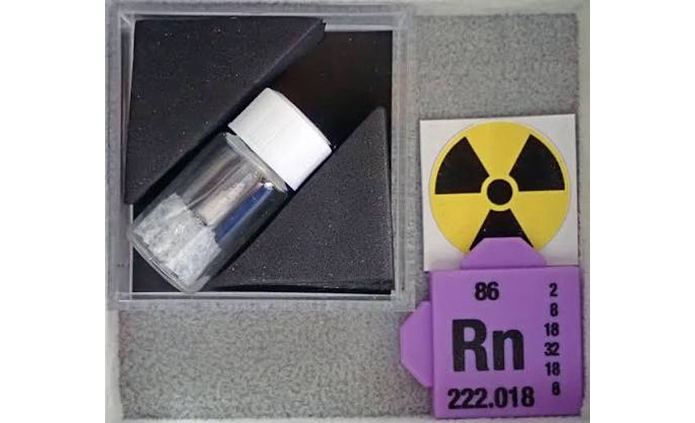
Radon testing Dayton Ohio, plays an instrumental role in safeguarding your home against invisible environmental hazards that can pose serious long-term health risks. Radon, a colorless and odorless gas, is produced naturally from the decay of uranium in soil and rock. It can seep into homes, especially basements, accumulating to hazardous levels. When you perform radon testing in Dayton, Ohio, you’re taking a key step in identifying this silent threat that may exist in your living environment.
Mold inspection Dayton OH, further complements radon testing, as mold growth can also jeopardize indoor air quality. Mold thrives in damp conditions, and its presence can exacerbate respiratory issues and other health problems. Additionally, indoor air quality testing in Ohio can reveal other pollutants or irritants that might compromise your family’s safety.
Together, these assessments create a thorough picture of environmental risks in your home, allowing you to address potential hazards effectively. By prioritizing radon and mold evaluations, you’re not just protecting your property but ensuring a healthier future for those you love. Don’t underestimate the significance of these tests; they are fundamental to maintaining a safe, breathable home atmosphere.
BPG Inspections provides professional radon testing along with mold and indoor air quality assessments
Addressing environmental hazards in your home means considering a thorough approach to safety, and BPG Inspections is well-equipped to help. Their extensive radon testing in Dayton, Ohio, identifies the presence of radon gas, a serious health threat often overlooked by homeowners. By employing advanced diagnostic tools, BPG guarantees precise and timely results.
But that’s not all. With their mold inspection services in Dayton, Ohio, they evaluate potential moisture problems that can lead to mold growth, another hidden danger that can compromise air quality and health. The mold inspection guarantees that any existing issues are identified and addressed promptly, giving you peace of mind.
BPG’s commitment to air quality testing in Dayton homes further enhances your safety. They analyze various contaminants and allergens, fostering a healthier indoor environment. This multimodal approach not only identifies immediate risks but also helps you make informed decisions about your living space. By working with BPG Inspections, you’re taking a proactive step toward safeguarding your home against invisible hazards, guaranteeing it remains a haven for you and your family. Embrace the freedom that comes with being informed and prepared.
Radon gas commonly enters homes through foundation cracks
Through foundation cracks and openings, radon gas can seep into your home, particularly accumulating in basements and lower levels where it’s often trapped. This invisible, odorless gas originates from the natural decay of uranium in soil and rock. Once inside, it can elevate radon levels, potentially leading to serious health risks, including lung cancer.
Effective radon testing in Dayton is vital for identifying and managing this hazard. A thorough home environmental inspection Dayton that includes radon detection can pinpoint areas of concern and help you take appropriate action. Foundation cracks, porous concrete, and gaps around pipes can create pathways for radon entry, meaning your vigilance is key.
Moreover, consider linking radon assessments to moisture intrusion detection in Ohio. High moisture levels can exacerbate the risk of radon accumulation while also inviting other hidden threats like mold. By engaging professional inspectors, you guarantee timely detection of radon and other potential issues, safeguarding your home’s indoor air quality. Taking these proactive steps not only enhances your living environment but also affords you the freedom to enjoy a healthier home.
Moisture intrusion often contributes to mold growth
Moisture intrusion is a serious issue that often leads to mold growth and deteriorating indoor air quality. You might not realize how much water intrusion can affect your living environment. Areas like basements, crawl spaces, and even the walls of your home can succumb to moisture, creating a perfect breeding ground for mold. When mold spores become airborne, they can severely compromise your indoor air quality, leading to potential health risks and discomfort.
As part of thorough home maintenance, you should consider mold inspections and indoor air quality assessments. These services help identify hidden moisture problems in your home, allowing you to address the source proactively rather than reactively. In Dayton, Ohio, radon testing is also essential, as it complements these assessments by revealing other environmental hazards underlying your property.
Neglecting moisture intrusion can lead to costly repairs and health issues over time. By consistently monitoring your home with professional inspections, you can maintain a healthier living space, free from unnecessary risks. Don’t overlook the importance of addressing these interconnected issues taking action today can safeguard your home and well-being tomorrow.
Air quality testing detects pollutants such as VOCs, allergens, and airborne particulates
Understanding the importance of air quality testing can greatly impact your health and comfort at home. Poor air quality can lead to a variety of health issues, including respiratory problems and allergies, making it essential to identify and mitigate pollutants like VOCs, allergens, and airborne particulates. BPG Inspections Dayton Ohio offers thorough home inspection environmental testing services that assess these air quality hazards.
Volatile Organic Compounds (VOCs) are found in common household products, and their prolonged exposure can have detrimental effects. Allergens, such as dust mites and pet dander, can trigger allergic reactions or asthma. Airborne particulates, including soot and pollen, can aggravate pre-existing conditions. Through their specialized air quality assessments, BPG Inspections can pinpoint these pollutants, helping you take action to improve your indoor environment.
In the context of radon testing Dayton Ohio, air quality assessments are critical since radon gas can also impact overall air quality and health. By understanding the risks associated with these pollutants, you can breathe easier and enjoy your home to the fullest, making informed decisions for a healthier future.
Mold inspections identify biological contamination caused by humid environments
Mold inspections play a crucial role in identifying biological contaminants that thrive in damp and humid environments. You might not realize it, but moisture-related issues can lead to substantial mold growth, which poses serious health risks. Conducting a thorough mold inspection can reveal hidden biological contamination in areas like basements, where dampness often predominates. Not only does this affect air quality, but it can also compromise your home’s structural integrity.
In Dayton, homeowners often overlook the connection between moisture control and air purity, especially during Termite inspection Dayton Ohio procedures. Mold spores can easily proliferate if moisture isn’t properly managed. This is where radon testing becomes critical; basement radon testing Dayton informs you about potential radioactive gas presence, which aligns with evaluating overall environmental safety.
Implementing radon mitigation Dayton Ohio may help reduce risks from radioactive gas, but addressing mold issues is equally important. You deserve peace of mind regarding your home’s safety. Regular mold inspections, alongside other environmental evaluations, can provide a healthier living space, preventing biological contamination and related health concerns effectively. Remember, freedom from health hazards starts with proactive inspections.
Basement areas are high-risk zones for radon accumulation issues
Radon accumulation in basement areas often poses significant concerns for homeowners due to the unique environmental conditions these spaces present. Basements typically have limited ventilation, allowing radon, a naturally occurring radioactive gas, to build up over time. If you’ve got a basement that’s cool and damp, you might also be creating a perfect haven for moisture-related issues, which can exacerbate radon levels further.
Moreover, the soil beneath your home can be a direct source of radon, which seeps through cracks, sump pumps, or other openings. As radon levels rise, the potential health risks increase, including lung cancer after long-term exposure. It’s vital to understand that simply having a basement doesn’t guarantee safety against these hazards. Regular radon testing becomes essential in safeguarding your family’s health.
Humidity in basements can also promote mold growth, impacting air quality and further complicating the risk landscape. By being proactive and addressing both radon and moisture issues head-on, you can create a safer living space. If you haven’t tested your basement recently, consider consulting with professionals who specialize in radon and other environmental assessments.
Older homes in Dayton are more susceptible to environmental hazards due to aging construction materials
Homes constructed several decades ago often show signs of wear and tear that make them more vulnerable to environmental hazards, including radon and moisture-related issues. The aging construction materials can deteriorate over time, leading to cracks in foundations and walls, which provide pathways for radon gas to infiltrate your living spaces. Additionally, older homes typically lack modern ventilation and moisture control systems, contributing to a higher risk of mold growth and poor indoor air quality.
Many of these older materials may also contain harmful substances, such as lead paint or asbestos, which can pose significant health risks if disturbed. When you factor in the shifts in climate and increased rainfall, even minor deterioration can escalate into serious problems.
To protect yourself and your loved ones, it’s essential to prioritize environmental testing for radon and other potential hazards. Identifying these risks early on allows for timely remediation and peace of mind. Understanding the unique challenges posed by older properties helps you make informed decisions regarding the upkeep and safety of your home. Don’t underestimate the importance of regular inspections, as they play a key role in safeguarding your living environment.
Integrated environmental testing helps detect multiple hidden risks in a single inspection process
Integrated environmental testing serves as a thorough approach to uncovering multiple hidden risks during a single inspection, streamlining the process for homeowners and buyers alike. By combining various evaluations such as radon detection, mold inspections, and indoor air quality assessments you gain a complete understanding of your property’s environmental health.
This integrated methodology not only saves time but also offers peace of mind. Rather than scheduling separate inspections, you can trust a qualified inspector to assess various risks simultaneously. This means you’ll be armed with crucial information related to radon levels, mold presence, and the quality of the air you breathe.
Additionally, effective integrated testing employs advanced diagnostic tools that enhance accuracy and reliability. The results from these assessments can reveal interrelated issues that might otherwise go unnoticed, such as how high moisture levels can promote mold growth, directly impacting air quality.
As a result, you’re empowered to make well-informed decisions about maintenance, remediation, or purchasing a property. By choosing integrated environmental testing, you’re not just identifying risks—you’re proactively addressing them, ensuring a healthier living environment for you and your family.
Thermal imaging and moisture meters improve detection accuracy for hidden water intrusion
Detecting hidden water intrusion can be a challenging task, but thermal imaging and moisture meters greatly enhance accuracy in pinpointing these issues. Thermal imaging cameras create detailed visual maps of temperature variations within your home. Water-affected areas often appear cooler than their surroundings, allowing you to identify leaks behind walls, in ceilings, or around plumbing with precision.
Moisture meters complement this technology by providing quantitative data to confirm the presence of water. They measure the moisture content in various materials, helping you distinguish between water damage and normal environmental fluctuations. When used together, these tools raise the bar for detection accuracy, appreciably reducing the risk of overlooking critical issues that could lead to mold growth or structural damage.
Employing these sophisticated methods not only protects your property but also promotes healthier indoor air quality. Many homeowners underestimate the extent of moisture issues, which can have profound long-term implications. By utilizing thermal imaging and moisture meters, you empower yourself with knowledge about your home’s condition, ultimately leading to more informed decisions and, importantly, a safer living environment.
Certified inspectors follow industry standards to ensure reliable and consistent results
While the process of radon testing might seem straightforward, it’s the adherence to industry standards that elevates the reliability and consistency of results. Certified inspectors, like those from BPG Inspections, rigorously follow established guidelines to guarantee accurate measurements and conclusive findings. These professionals understand that radon testing requires more than just placing a detector; it involves a series of calibrated steps that adhere to protocols set by organizations such as the Environmental Protection Agency (EPA).
Using modern diagnostic tools, these inspectors can identify radon levels effectively. They conduct tests over various periods, typically 48 hours or longer, to capture a thorough snapshot of radon concentration in your home’s air. By employing specific testing conditions, such as maintaining closed windows and stabilizing indoor temperatures, they minimize external variables that could skew results.
Moreover, certified inspectors are trained to interpret the data uniquely to your living conditions. This guarantees you receive a clear understanding of radon risks in your space, allowing for informed decisions about mitigation. By choosing certified professionals who adhere to these standards, you’re not just getting results you’re gaining peace of mind in an important aspect of your home’s health.
Radon exposure over time increases the risk of serious respiratory health issues
Over time, prolonged exposure to radon gas can considerably raise your risk of developing serious respiratory health issues, including lung cancer. Radon, a colorless and odorless gas produced from the decay of uranium in soil and rock, can accumulate in your home, particularly in poorly ventilated spaces like basements. The danger lies in the radioactive particles you may inhale, as they can damage lung tissue and lead to genetic mutations.
Research indicates that even low levels of radon exposure can pose risks, with long-term exposure leading to increased likelihood of cancer. It’s essential to understand that radon exposure doesn’t show immediate effects you won’t feel sick right away. Instead, the risks multiply over years, making regular testing in your home important, especially if you live in radon-prone areas like Dayton.
Early detection allows homeowners to take corrective action before major damage occurs
Early detection of radon can greatly benefit homeowners by enabling them to address potential hazards before they escalate into major health issues or costly repairs. When you test for radon early, you gain vital insight into your home’s air quality and safety. Implementing effective time management skills can help you schedule tests and inspections efficiently. If elevated levels are detected, you’re empowered to take immediate corrective action such as installing radon mitigation systems which can notably lower concentrations of this harmful gas.
Additionally, early testing can help you identify other related issues, like moisture intrusion, that might contribute to mold growth and further degrade indoor air quality. By addressing these problems proactively, you not only protect your family’s health but also preserve the structural integrity of your home, preventing expensive repairs down the line.
Understanding that radon is a naturally occurring substance makes it even more essential to stay vigilant. You can’t see or smell it; hence its detection is entirely reliant on your initiative. While homeownership comes with freedoms, it also conveys responsibilities. Taking charge through early radon testing and remediation enables you to safeguard your home and enjoy a healthier living environment without the looming threat of hidden dangers.
Environmental inspections support safer real estate transactions and informed decisions
Regular environmental inspections not only enhance your home’s safety but also play a pivotal role in real estate transactions. When you’re buying or selling a property, knowing the environmental condition can substantially affect your decision-making process. Potential buyers are increasingly educated about home risks, so conducting these inspections not only reassures them but also demonstrates your commitment to transparent dealings.
Consider radon exposure, for instance. High levels detected in a home can lead to a stalling of the transaction, or worse, a significant drop in the property’s value. By identifying and addressing issues like radon, mold, or poor air quality upfront, you empower yourself as a seller and make your property more attractive to buyers.
Furthermore, the data gathered from an environmental inspection provides indispensable leverage during negotiations. When you’re armed with hard evidence about your home’s air quality or mold levels, you’re in a stronger position to either justify your asking price or negotiate repairs before closing. This proactive approach fosters trust and can make a significant difference in the successful completion of your real estate transaction. Embracing environmental inspections ultimately leads to safer, more informed decisions for everyone involved.
Conclusion
When it comes to maintaining a healthy home environment, radon testing in Dayton, Ohio, stands out as a critical safeguard against hidden environmental risks. You may not realize that radon, a colorless, odorless gas, can seep into your home, particularly in basements or lower levels, posing significant long-term health risks. By opting for radon testing, you empower yourself to uncover these dangerous levels and take actionable steps to mitigate them, ensuring that your living space promotes well-being.
Moreover, the benefits of radon testing extend beyond your home; it increases your property’s value and marketability. When you present a home that’s had thorough radon testing, potential buyers can feel more secure about their decision, leading to a smoother transaction process.
With BPG Inspections, equipped with modern diagnostic tools, you’ll receive precise reports that provide clear insights into your property’s air quality, complementing radon testing with assessments for related environmental hazards like mold and moisture intrusion. By prioritizing radon testing, you’re not just protecting your home you’re investing in a safer, healthier future for yourself and your loved ones.