
Why Termite Inspections Are Critical for Homes in Ohio and Georgia
Termites are among the most destructive pests a homeowner can encounter. Often referred to as “silent destroyers,” they can cause significant structural damage long before their presence becomes obvious. For homeowners and property buyers in Ohio and Georgia, termite inspections are not just a precaution they are an essential part of responsible property ownership and investment protection.
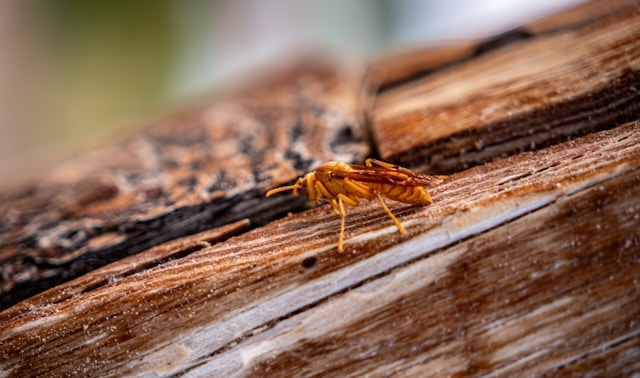
Whether you are purchasing a home, maintaining your current property, or evaluating a commercial building, understanding the importance of termite inspections can save you from costly repairs and unexpected complications.
Understanding the Termite Threat
Termites feed on cellulose, a primary component of wood and many building materials. This makes residential structures—especially those with wooden framing—highly vulnerable. Unlike other pests, termites often remain hidden, consuming wood from the inside out.
The most common type found in both Ohio and Georgia is the subterranean termite, which lives in soil and builds mud tubes to access above-ground food sources. These termites thrive in environments where moisture and wood are readily available.
Why Ohio and Georgia Homes Are at Risk
While termite activity is often associated with warmer climates, both Ohio and Georgia present conditions that support infestations—albeit in different ways.
Georgia: High Risk Due to Climate
Georgia’s warm, humid climate creates an ideal environment for termites year-round. Moisture levels remain high, especially in crawl spaces, basements, and around foundations. This allows termite colonies to grow rapidly and remain active for longer periods.
Ohio: Seasonal but Still Vulnerable
In Ohio, colder winters slow termite activity, but they do not eliminate the threat. Subterranean termites can survive below the frost line and become active again in warmer months. Spring and summer are particularly high-risk periods for infestations.
Shared Risk Factors
Both states share several contributing factors:
- Wood-to-soil contact around foundations
- Moisture buildup from poor drainage
- Aging structures with untreated wood
- Landscaping elements like mulch near the home
These conditions make termite inspections a critical safeguard regardless of geographic differences.
The Damage Termites Can Cause
One of the biggest challenges with termites is the extent of damage they can cause before detection. Over time, infestations can compromise:
- Structural beams and supports
- Floor joists and subflooring
- Wall studs and framing
- Roof supports
In severe cases, termite damage can weaken the integrity of a home, making it unsafe to occupy. Repairs can range from minor fixes to extensive structural reconstruction.
Common Signs of Termite Activity
Recognizing early warning signs can help minimize damage, but many infestations go unnoticed without professional inspection.
Key indicators include:
- Mud tubes along foundations or walls
- Hollow-sounding wood
- Discarded wings near windows or doors
- Cracked or bubbling paint
- Small holes in drywall
Because these signs can be subtle or hidden, relying solely on visual detection by homeowners is often insufficient.
What a Professional Termite Inspection Includes
A professional termite inspection is a detailed evaluation of a property’s accessible areas, focusing on signs of infestation and conditions that may attract termites.
Inspectors typically examine:
- Foundation and crawl spaces
- Basements and structural supports
- Exterior walls and siding
- Attics and roof framing
- Plumbing areas where moisture may accumulate
They also look for conducive conditions such as:
- Excess moisture
- Wood-to-ground contact
- Poor ventilation
Following the inspection, a comprehensive report is provided. This report includes:
- Clear descriptions of findings
- Photographic evidence
- Identification of problem areas
- Recommendations for treatment or prevention
Termite Inspection vs Home Inspection
A common misconception is that a standard home inspection fully covers termite issues. While home inspections are thorough, they are primarily visual assessments of structural and mechanical systems.
A termite inspection, often referred to as a Wood-Destroying Organism (WDO) inspection, is more specialized.
| Inspection Type | Focus Area | Includes Termite Detection | Purpose |
|---|---|---|---|
| Home Inspection | Structural, electrical, plumbing systems | Limited | General property condition evaluation |
| Termite Inspection | Wood damage and pest activity | Yes | Identify infestations and risk factors |
Because of this distinction, many real estate transactions require a separate termite inspection.
Importance in Real Estate Transactions
For buyers and sellers, termite inspections play a critical role in the closing process.
For Buyers
- Ensures the property is free from hidden damage
- Provides leverage for negotiating repairs or pricing
- Reduces risk of unexpected expenses
For Sellers
- Builds trust with potential buyers
- Helps avoid delays during closing
- Allows proactive resolution of issues
Lender Requirements
In many cases, lenders require termite inspections before approving a mortgage, particularly in high-risk areas like Georgia.
Cost of Inspection vs Cost of Damage
One of the most compelling reasons to invest in termite inspections is the cost difference between prevention and repair.
- Inspection cost: Relatively low and predictable
- Repair cost: Potentially thousands of dollars depending on damage severity
Termite damage is often not covered by standard homeowners insurance policies, making early detection even more critical.
Preventative Measures for Homeowners
While inspections are essential, preventative maintenance can significantly reduce the risk of infestation.
Moisture Control
- Fix leaks promptly
- Ensure proper drainage around the foundation
- Use dehumidifiers in basements or crawl spaces
Landscaping Practices
- Keep mulch and soil away from the foundation
- Trim vegetation that touches the home
- Store firewood away from the structure
Structural Maintenance
- Seal cracks in foundations and walls
- Replace damaged wood
- Maintain proper ventilation
These steps, combined with regular inspections, create a strong defense against termites.
The Value of Professional Inspection Services
Working with a professional inspection company ensures accuracy, reliability, and peace of mind. Certified inspectors bring:
- Knowledge of regional termite behavior
- Experience identifying subtle warning signs
- Adherence to industry standards (ASHI, InterNACHI)
- Detailed reporting for informed decision-making
Companies like BPG Inspections integrate termite evaluations into a broader inspection framework, offering a comprehensive view of a property’s condition.
Their process includes examining critical systems such as plumbing, electrical, HVAC, and structural components, alongside identifying potential pest-related issues. The result is a clear, detailed digital report that helps homeowners and buyers make confident decisions.
Conclusion
Termite inspections are not just an optional service—they are a vital component of property protection in both Ohio and Georgia. With environmental conditions that support termite activity and the potential for costly structural damage, proactive inspection is the smartest approach.
From identifying hidden infestations to supporting real estate transactions and preventing long-term damage, termite inspections provide essential insights that every homeowner should prioritize.
By combining regular inspections with preventative maintenance and professional expertise, property owners can protect their investments, ensure safety, and avoid the hidden dangers that termites bring.